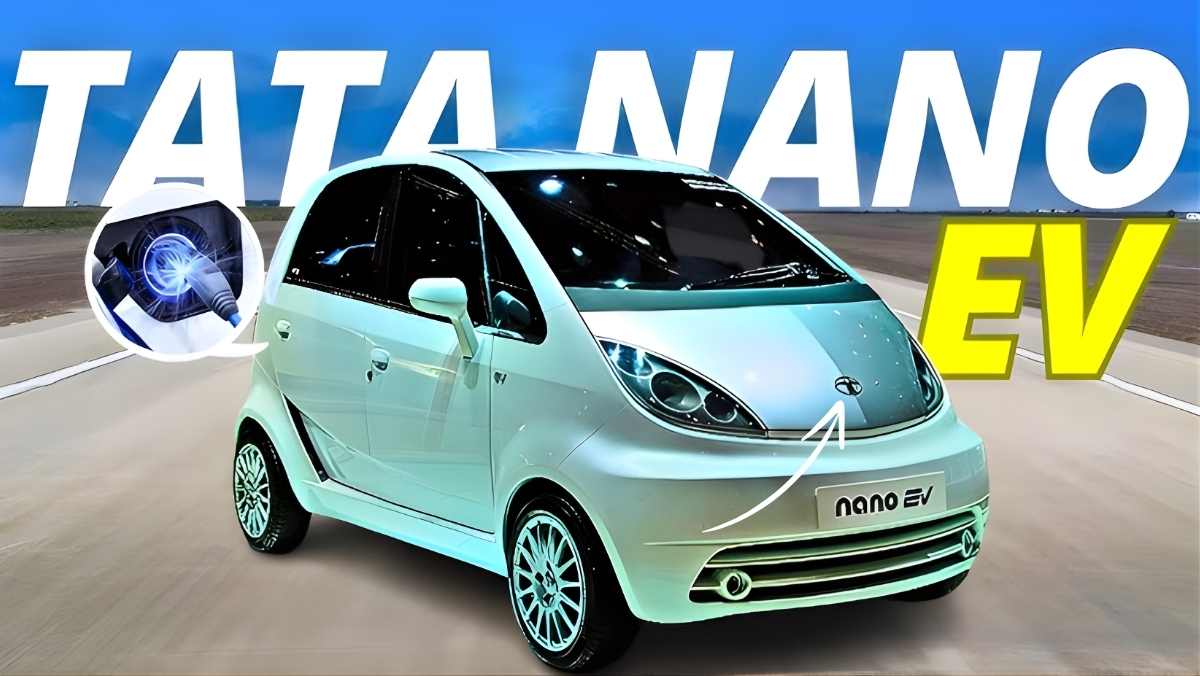
Tata Nano EV : Remember the tiny Tata Nano that promised to motorize India’s masses? Well, whispers from Tata Motors’ corridors suggest the iconic “cheapest car” is gearing up for an electric makeover, potentially hitting roads as early as late 2026.
This revival could blend nostalgia with green tech, targeting urban commuters tired of two-wheelers in choked city traffic.
Echoes of the Original Nano’s Bold Vision
Back in 2008, Ratan Tata unveiled the Nano as a game-changer, inspired by families precariously balancing on scooters amid monsoon rains.
The goal was simple: a safe, four-wheeler for the common man, engineered with frugality like a rear-mounted engine to slash costs and size.
Yet, dreams clashed with reality. Factory protests in Singur forced a shift to Sanand, delaying production by over a year and inflating expectations.
Early fires from wiring issues scarred its image, while the “world’s cheapest car” tag made it seem like a poverty badge, not aspirational.
Buyers shunned it for pricier rivals like the Maruti Alto, craving status over savings. Sales peaked at around 70,000 units yearly but dwindled to near zero by 2019, ending production without fanfare.
Why an EV Revival Makes Perfect Sense Now
Fast-forward to 2026, and India’s EV scene has exploded, with Tata leading via Nexon EV and Punch EV hits. Government subsidies and falling battery costs create fertile ground for a micro-EV like Nano 2.0, fitting the booming urban mobility trend.
Ratan Tata himself owns a custom EV Nano retrofit by Electra EV, hinting at personal buy-in. Recent YouTube buzz and industry chatter point to a 2026 debut, reviving the nameplate to capture last-mile delivery fleets and first-time car buyers in tier-2 cities.
Micro-EVs are surging globally, with India’s market eyeing compact platforms for zero-emission zones. Tata’s aggressive EV roadmap—five new models this year alone—positions Nano EV as a low-end disruptor.
Design Tweaks for Modern Streets
Picture the original’s boxy charm evolved: slightly bulked up for safety, with a sleek front inspired by Tata’s Curvv. Expect a compact hatchback body, easy to weave through Mumbai or Delhi snarls, seating four comfortably for family errands.
Electric architecture means no bulky engine, freeing space for a slim battery pack—rumored at 15-20 kWh—mounted low for stability.
Regenerative braking and a single-speed automatic transmission promise effortless city sprints, ditching the old Nano’s vibration woes.
LED lights, a digital cluster, and perhaps Bluetooth connectivity could nod to tech-savvy youth, while the minimalist cabin keeps it practical for daily hauls like school runs or veggie market dashes.
Powertrain Buzz and Real-World Range
At heart, a modest electric motor—around 35 hp—delivers peppy acceleration for stop-go traffic, topping out at sensible speeds for urban limits. No more smoky two-cylinder rattle; just silent torque for overtakes.
Range estimates vary: some say over 200 km per charge, ideal for daily commutes under 50 km, with DC fast charging hitting 80% in under an hour. This beats scooters’ limits, appealing to rain-weary riders seeking covered comfort.
Battery tech leaps since 2010’s 160 km concept mean real efficiency now, supported by Tata’s expanding charger network aiming for lakhs of points by decade’s end.
Facing Off Against Tiny EV Rivals
In India’s nascent micro-EV arena, Nano EV eyes contenders like MG Comet or Strom R3. Its Tata badge and service network give an edge in reliability trust, unlike imports.
While rivals flaunt quirky designs, Nano’s heritage screams affordability and familiarity. It could dominate fleets for Swiggy or Zomato, where low running costs trump frills.
Tata’s EV know-how from Tiago EV ensures polished software updates over air, keeping it competitive without overcomplicating the basics.
Safety Upgrades to Win Hearts
The old Nano’s fire fiasco and no-ACRS tag doomed it; the EV version flips the script. Expect dual airbags, ABS with EBD, and a reinforced chassis from lessons learned in crash labs.
Electric safety shines too—no flammable fuel, plus battery shields. This rebuilds faith, targeting parents who balked before but now eye EVs for kids’ rides.
Market Impact and What Lies Ahead Tata Nano EV
A Nano EV launch could explode the entry-level EV pie, pulling millions from petrol bikes amid rising fuel bills and pollution norms. It revives Tata’s “people’s car” ethos in a sustainable wrapper.
Also Read this – Maruti launches Mini Fortuner in just ₹5 lakh, mileage is 35 Kmpl, features is elegant
Yet success hinges on ditching “cheap” vibes—market it as smart, green urban escape. With 2026 teases heating up, eyes are on Tata’s Auto Expo or festive unveils.