Hyundai Verna 2026 : Hyundai has launched the 2026 Verna in India as a refreshed version of its midsize sedan, with the starting price announced at Rs 10.98 lakh (ex-showroom).
The update brings more than 25 changes across design, safety, technology, and comfort, giving the Verna a stronger position in a segment that continues to be led by style, features, and value.
The sedan arrives at a time when customer expectations in this category are higher than ever. Buyers now want not just a good-looking car, but also advanced safety, premium cabin features, and a sense of modernity that helps the model stand out from rivals such as the Volkswagen Virtus and Honda City.
Design Changes
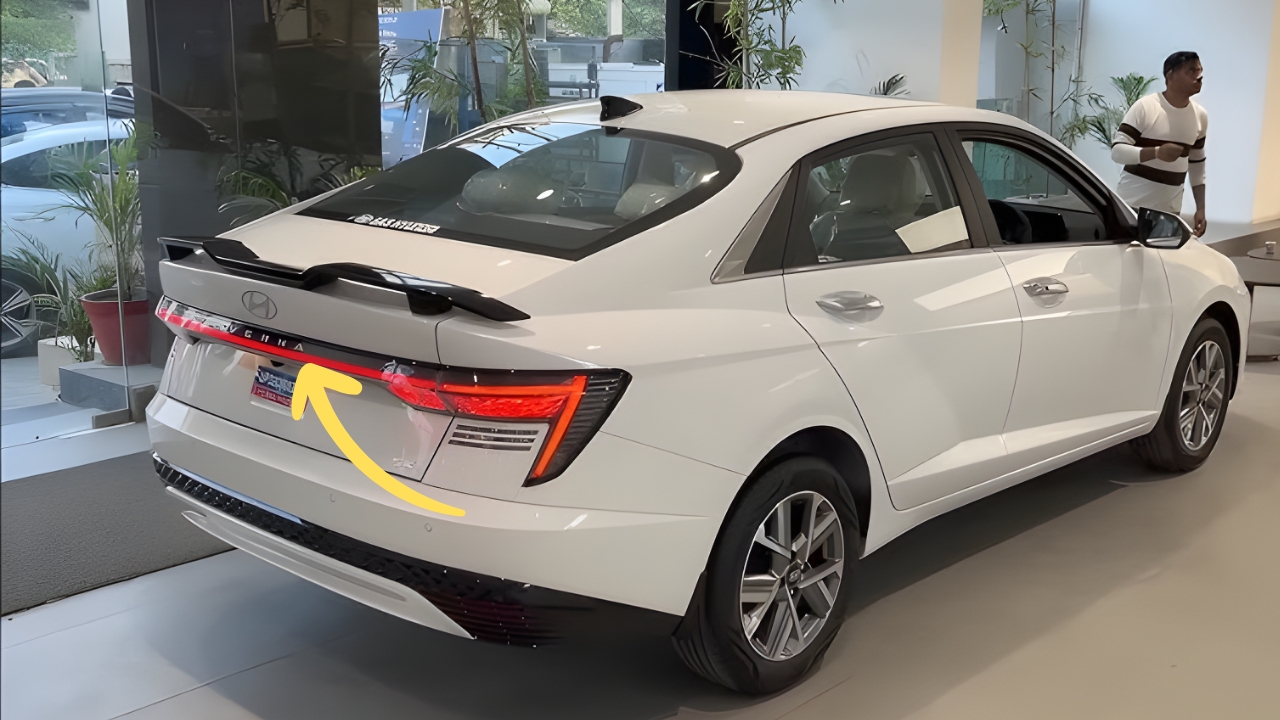
The most talked-about aspect of the 2026 Verna is the design update. Hyundai appears to have listened to criticism of the previous model’s polarising front end and has introduced a more refined look for the facelifted version.
Reports suggest the front fascia has been reworked, while the rear and side profile remain more familiar, with only light cosmetic changes in those areas.
The facelift is expected to be more evolutionary than radical. That means Hyundai is not trying to reinvent the Verna, but rather to sharpen its styling and make it more appealing to a broader audience.
Spy reports and launch coverage both point to updated bumpers, revised lighting elements, and new alloy wheel treatment as part of the visual refresh.
Interior Improvements
Inside the cabin, Hyundai has focused on making the Verna feel more premium and more advanced. The 2026 model gets an updated steering wheel, improved upholstery, and a more feature-rich experience overall.
Some variants now include leatherette seat upholstery, an eight-way power-adjustable driver seat, and a four-way electrically adjustable co-driver seat.
One of the more interesting additions is the inclusion of first-in-segment features such as a driver seat memory function with welcome feature, an electric walk-in device for the co-driver seat, a rear window sunshade, and a smart trunk with more than 528 litres of capacity.
These features are aimed at making the Verna feel less like a conventional sedan and more like a product that offers luxury-car convenience at a much lower price point.
Technology and Safety
Hyundai has also expanded the Verna’s safety and tech package. The 2026 version comes with seven airbags, including a centre airbag, and over 75 advanced safety features in total, according to launch reports.
That is a significant statement in a segment where safety is increasingly becoming a key deciding factor for buyers.
The car also gets Hyundai SmartSense Level 2 ADAS with 20 features, which is an important upgrade for customers who want more driver assistance in daily use.
Another headline feature is the integrated dashcam, which is still relatively rare in this segment and adds practical value for both safety-conscious and tech-savvy buyers.
Engine and Powertrain
Mechanically, Hyundai has kept things familiar for now. The facelift continues with the same 1.5-litre naturally aspirated petrol and turbo-petrol engine options, which suggests Hyundai is not experimenting heavily with the powertrain lineup in this update.
This is a sensible move, because the existing engines already give the Verna a strong balance of everyday efficiency and performance.
There is also speculation about a hybrid powertrain in the future, though that remains unconfirmed at this stage.
Industry reports say Hyundai could consider a petrol-hybrid setup as part of its broader electrification strategy in India, especially since the company has already spoken about launching multiple hybrid models by 2030.
If that happens, the Verna could become one of the most interesting sedans in the market, especially against the Honda City e:HEV.
Variant Line-Up
Hyundai has adopted a new HX-based naming system for the 2026 Verna, replacing the older trim naming approach.
The lineup includes HX2, HX4, HX6, HX6 Plus, HX8, and HX10, which gives the model a more modern and organized trim structure.
This change may seem small, but it matters because it reflects how automakers are trying to simplify variant selection while also giving the car a more premium image.
For buyers, the new naming may feel cleaner and easier to understand, especially when combined with the revised feature spread across the range.
Market Position
The Verna has always played in a tough space. It competes with cars that offer strong styling, proven engines, and loyal customer bases.
With this 2026 update, Hyundai is trying to make the Verna more desirable to both existing sedan buyers and newer customers who might otherwise be tempted by compact SUVs.
What helps the Verna is its mix of bold styling, strong feature content, and a cabin that now feels more upmarket than before.
If Hyundai continues to price it aggressively and keep the feature count high, the 2026 Verna should remain one of the most talked-about sedans in the Indian market.
Hyundai Verna 2026 Final Word
The 2026 Hyundai Verna is not a complete reinvention, but it does not need to be. The formula here is clear: improve the design, add more safety, bring in smarter tech, and give buyers more reasons to choose a sedan in a market increasingly dominated by SUVs.
Also Read This : Vivo Y51 Pro 5G 7200mAH battery life smartphone with 50MP camera, look is stylish
With its updated styling, richer cabin, and stronger safety package, the Verna now feels more polished and better aligned with what modern buyers expect from a premium midsize sedan. For Hyundai, that could be enough to keep the Verna relevant and competitive through 2026 and beyond.