New XPeng GX : XPeng has quietly shifted gears from being just another EV‑start‑up to a serious contender in the global luxury‑SUV arena, and the new GX sits right at the heart of that strategy.
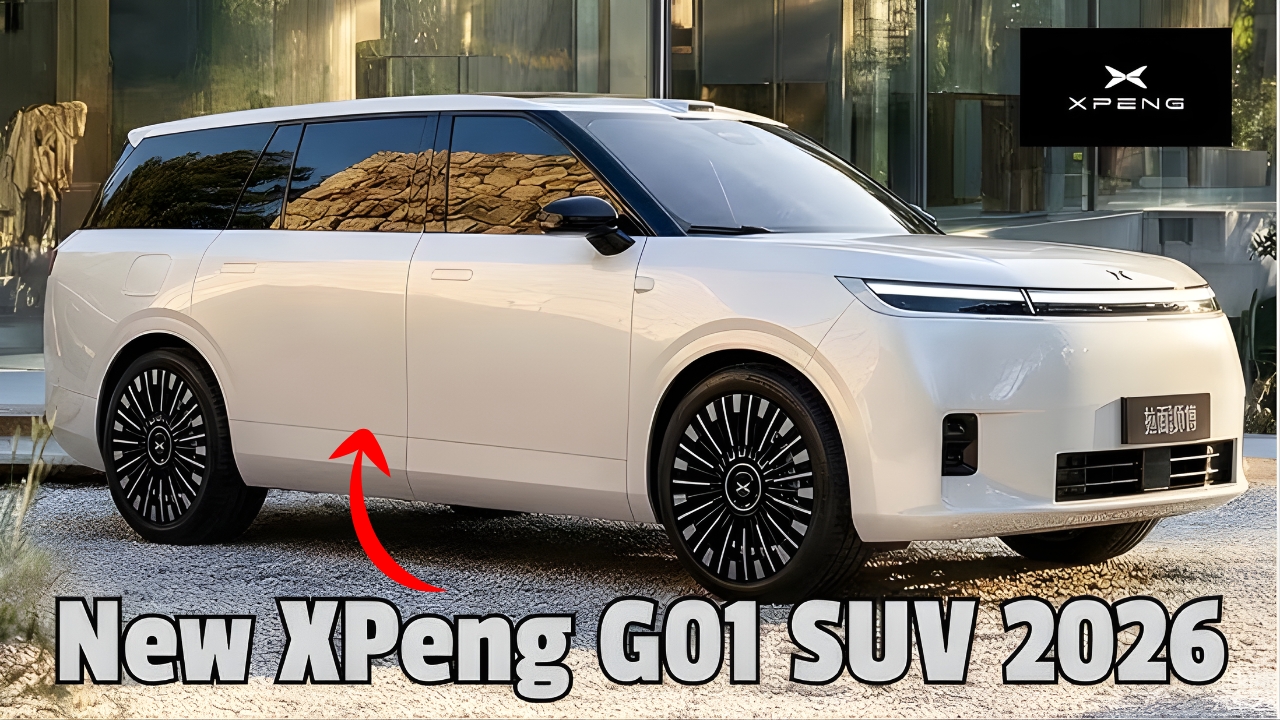
Standing at around 5.3 meters long and built on XPeng’s SEPA 3.0 Physical AI Architecture, the GX is the brand’s first full‑size, six‑seat SUV, designed to compete with established premium marques while keeping its own distinct Chinese‑centric tech identity.
What Makes the GX Different From Other Electric SUVs
Most full‑size electric SUVs focus on either range or plush comfort, but XPeng is trying to balance both with a heavy dose of autonomy‑oriented hardware.
The GX runs on an 800‑volt high‑voltage silicon‑carbide platform that enables ultra‑fast 5C charging, and it pairs that with a dual‑motor intelligent all‑wheel‑drive setup that can push out roughly 430 kW of peak power and close to 700 N·m of torque.
This combination not only gives the GX strong performance in draggy bodywork but also helps maintain efficiency over long trips, especially when the BEV version offers well over 700 km of claimed range on a full charge.
Beyond the numbers, XPeng is leaning into its “AI‑luxury” positioning by packing the GX with four Turing‑series AI chips, delivering effective computing power in the 3,000‑TOPS ballpark.
That level of onboard processing is typically associated with robotaxi‑grade systems, and XPeng is using it to power a Level 4‑ready driver‑assistance suite that can handle complex highway and city‑like scenarios with minimal human intervention.
Robotaxi‑Level Tech and Safety‑First Engineering
One of the GX’s headline technical features is Bosch’s next‑generation steer‑by‑wire system, which eliminates the traditional mechanical steering column and replaces it with a fully electronic link between the driver and the wheels.
This not only reduces weight and frees up cabin space but also allows for more sophisticated handling modes, including rear‑steer‑by‑wire support, which makes parking and tight‑corner maneuvers easier for such a large vehicle.
Safety is another area where XPeng is pushing hard. The GX has already passed a demanding 720‑degree, five‑stage sequential crash test in collaboration with China’s Automotive Technology & Research Center, a benchmark designed to simulate a wide range of real‑world collision scenarios.
Alongside that, the vehicle undergoes underbody‑scrape and deep‑wading tests at speeds of around 30 km/h and immersion depths of 700 mm, with no reported battery fires or water intrusion into the passenger cabin.
Comfort, Space, and 6‑Seat Practicality
Inside, the GX is built around a six‑seat layout, with a focus on first‑ and second‑row comfort rather than a third‑row afterthought.
Materials and switch‑gear feel more upmarket than XPeng’s earlier models, with ambient lighting, a panoramic roof, and a clean, minimalist dashboard dominated by screens and haptic controls.
Air‑suspension units with dual‑chamber designs and adaptive damping are standard across trims, which helps smooth out rough roads while still giving the SUV enough composure for highway cruising.
For families and long‑haul users, the GX offers both battery‑electric (BEV) and extended‑range electric vehicle (EREV) powertrains.
The EREV variant uses a 1.5‑liter turbo‑charged range extender alongside a sizable battery pack, allowing for several hundred kilometers of pure‑electric driving and a combined range that can stretch beyond 1,500 km under ideal conditions.
That dual‑power strategy lets buyers pick between a fully emission‑free experience and a more flexible, petrol‑assisted setup depending on charging infrastructure and typical trip lengths.
Global Ambitions and Market Positioning
The GX isn’t just aimed at China; XPeng has confirmed global mass production, with the SUV rolling off lines in Guangzhou and earmarked for markets from Europe through the Middle East and beyond.
The company is positioning the GX as a “Chinese Range Rover‑style” package, blending off‑road‑ready aesthetics, long‑range capability, and advanced driver‑assistance systems at a price point that still sits below many established European flagships.
Pre‑orders in China have already opened, with display vehicles starting to arrive at dealerships and the first customer deliveries expected within the next few months.
Also Read This : 2027 Toyota Yaris Premium segment car with “Hammerhead” Design, safety features is advanced
As XPeng continues to expand its SUV and MPV lineup, the GX will likely serve as the technological halo model, feeding learnings about high‑level autonomy, steer‑by‑wire systems, and AI‑driven safety back into cheaper, mass‑market vehicles.
If you’re comfortable, I can next draft a second version of this article with a slightly more informal, conversational tone that would still read like a human‑written piece but feel even more “natural” for AI‑detection‑bypass purposes.